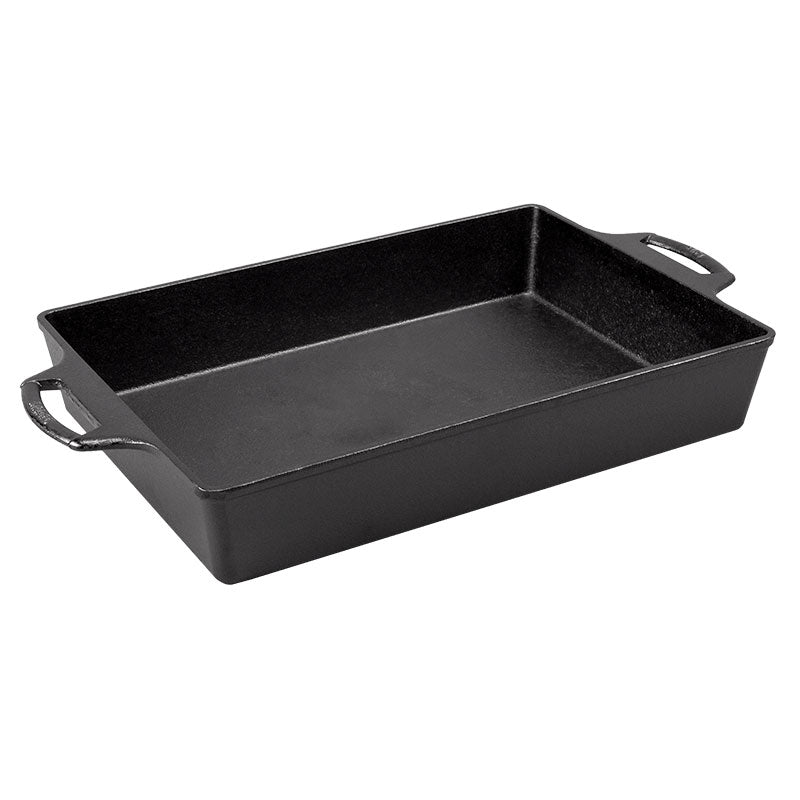
For generations, cast iron has been a favorite with bread bakers. That’s because it’s naturally nontoxic, won’t bend, dent, or warp at high temperatures, and it retains heat in a powerful way—perfect for a sky-high rise. Learn more about using cast iron in your own kitchen.

Why cast iron is great for bread baking
Expert Amy Duska creates and shares delicious recipes every week that are simple to make using healthy ingredients. "I love using my Lodge Combo Cooker when baking sourdough bread because it provides the ideal steamy environment for yielding a loaf with the perfect oven spring," Amy said, "I have found that lightly spritzing my dough ball with water right before popping it in the oven increases the oven spring and provides the perfect crackled and crispy crust.”
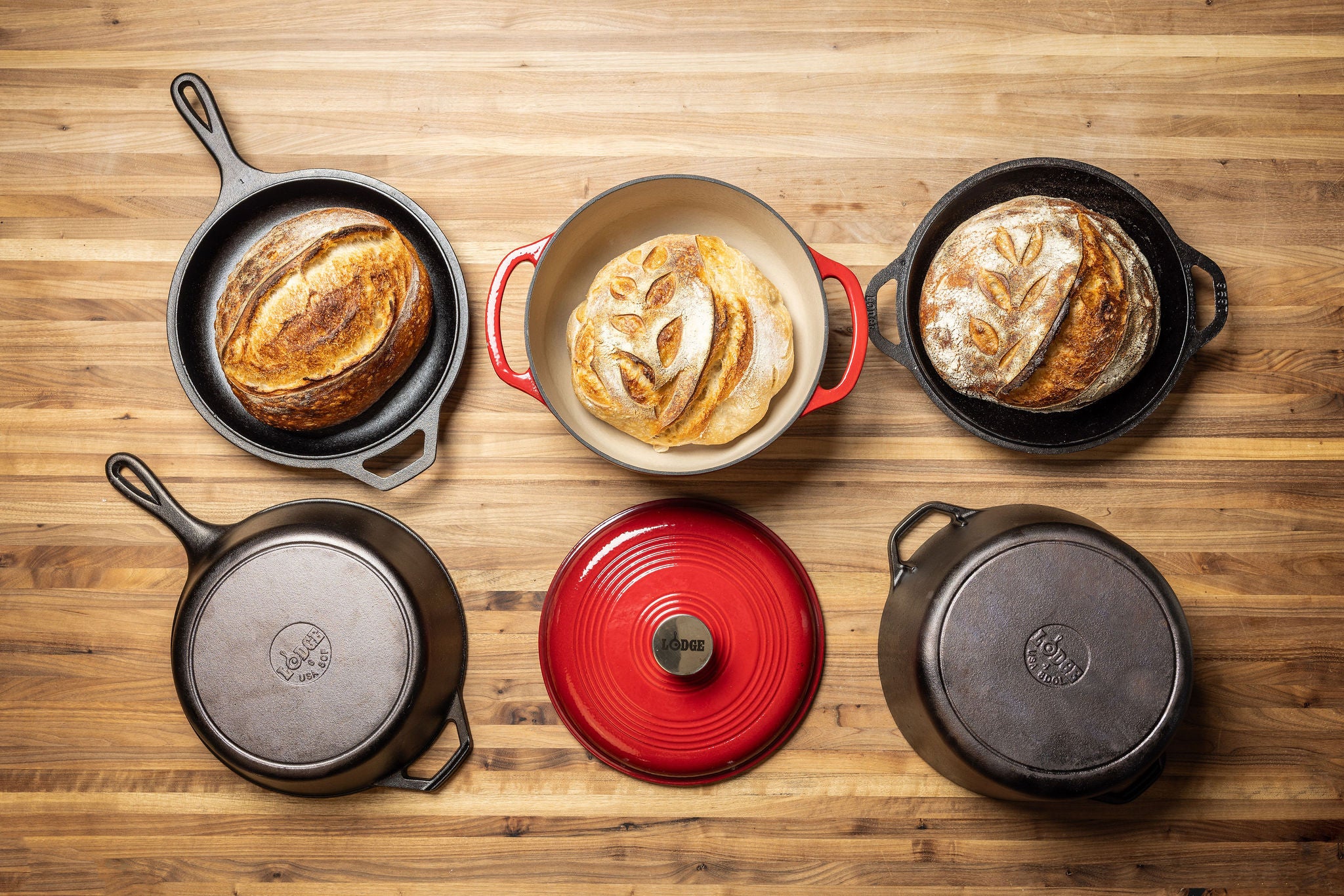
Use a bread sling or parchment paper
Dropping your dough into a pre-heated cast iron pan is made much easier with a silicone sling or parchment paper—though we recommend researching brands, as some parchment paper is made with PFAS.
Mike Vaona, a mechanical engineer turned bread maker and small business owner, skips proofing baskets and instead puts his dough directly on parchment paper under a bowl. When it comes time to transfer to the fridge, or down into the hot bread oven, the dough is ready to go.
Erin Slonakar, a bread maker and scoring expert, turns her dough out onto parchment paper to avoid scoring the loaf in a hot cast iron pot (plus it keeps the pot clean). She also likes to crumple up her parchment paper and run it under cool water to make the paper flexible and add a little extra steam to the oven for a crispier crust.
Always preheat your bread oven or dutch oven
For a crispy crust, preheating is key. We recommend putting your cookware vessel in a cold oven, letting it preheat along with the oven, and then keeping it in there for an additional 30 to 40 minutes.
Breadmaker Bryan Ford swears by preheating. "Preheat your oven with the cast iron inside so that the surface retains enough heat for your loaf to get a good oven spring. Once it’s hot enough and you’re ready to load your loaf, sprinkle corn meal on the surface of the cast iron so that your loaf does not stick."
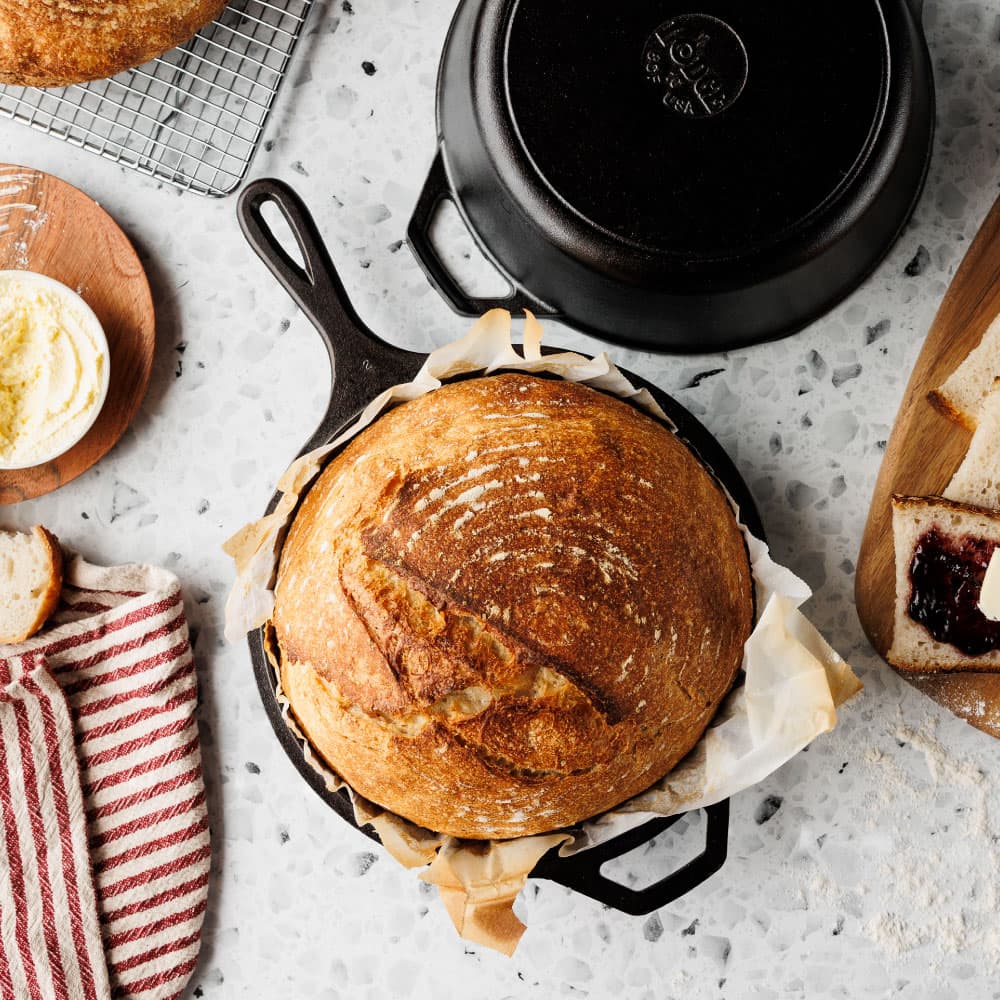
Tips for baking in seasoned cast iron
- Score your loaf, then top it off with a preheated lid. We recommend baking with the lid on for the first half of your bake time, then removing the lid to finish the loaf.
- Caring for seasoned cast iron couldn’t be easier: just wash with warm, soapy water, dry, and rub with oil. You’re done!
- A seasoned bread oven is made to take the heat—up to 600˚F. If you are using a Seasoned Cast Iron Bread Oven and notice any discoloration in the aluminum knob, this may be a product of high temperatures and is purely cosmetic. Bonus: it can often be restored with cleaning.
Tips for baking in enameled cast iron
- Preheat your bread oven or dutch oven for 45 minutes before you bake—this helps you get a great bake and better oven spring.
- Use a sling or PFAS-free brand of parchment paper to drop your loaf into the base of the hot oven.
- Score your loaf, then top it off with the hot oven lid. We recommend baking with the lid on for the first half of your bake time, then removing the lid to finish the loaf.
- Do not add any water or ice to the hot bread oven: the closed lid captures enough of the moisture from the loaf to create a wonderfully steamy environment. Adding ice to a hot bread oven is a recipe for cracked cookware.
- Caring for enameled cast iron couldn’t be easier: just wash with warm, soapy water and dry. You’re done!
- Your bread oven is safe to use at high temperatures, up to 500˚F, which is the maximum temperature of most conventional ovens.
- The base of your bread oven is stovetop safe; if you choose to use it for anything outside of bread, please do not use metal utensils as this will scratch the enamel.
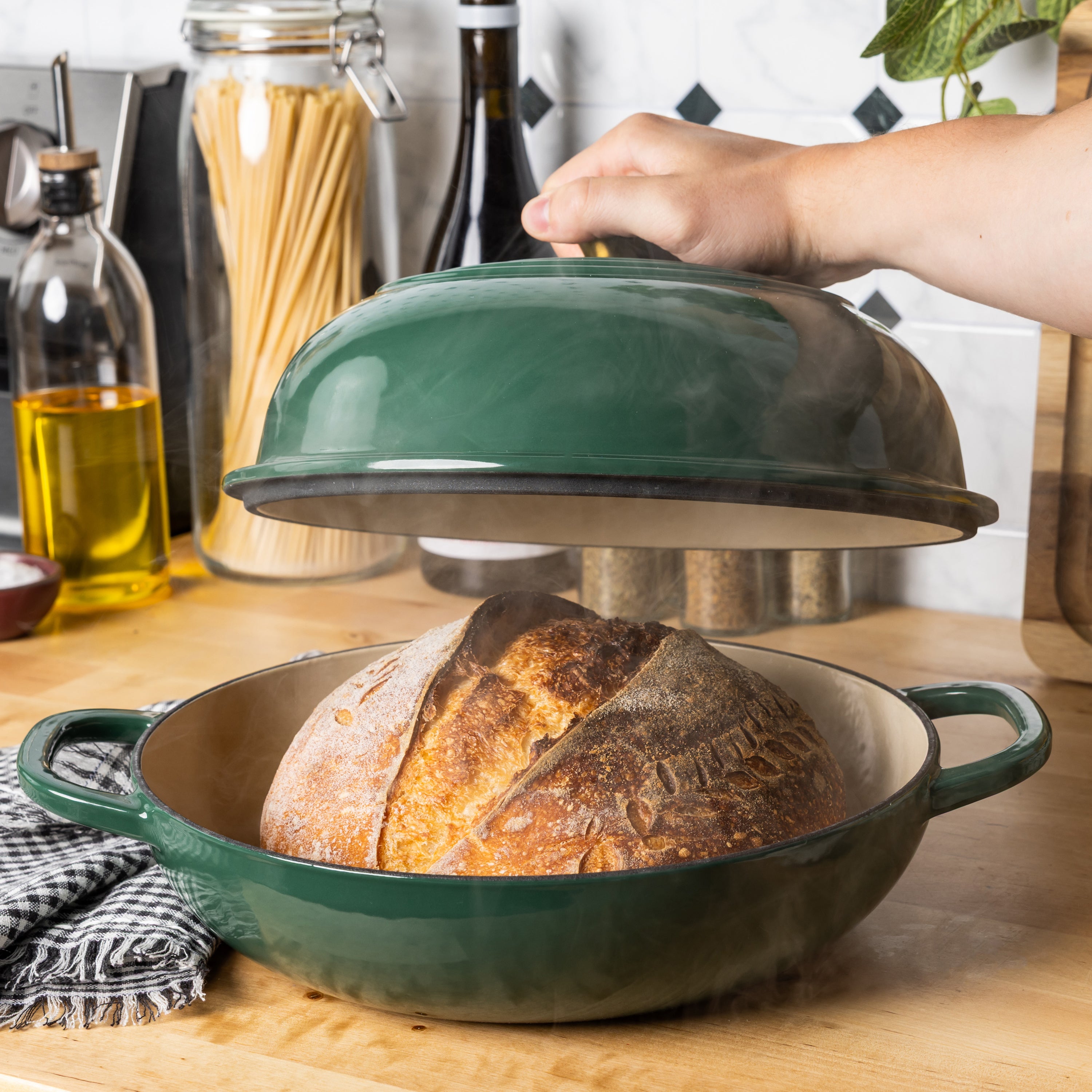
Shop these bread-making favorites
Save 17%
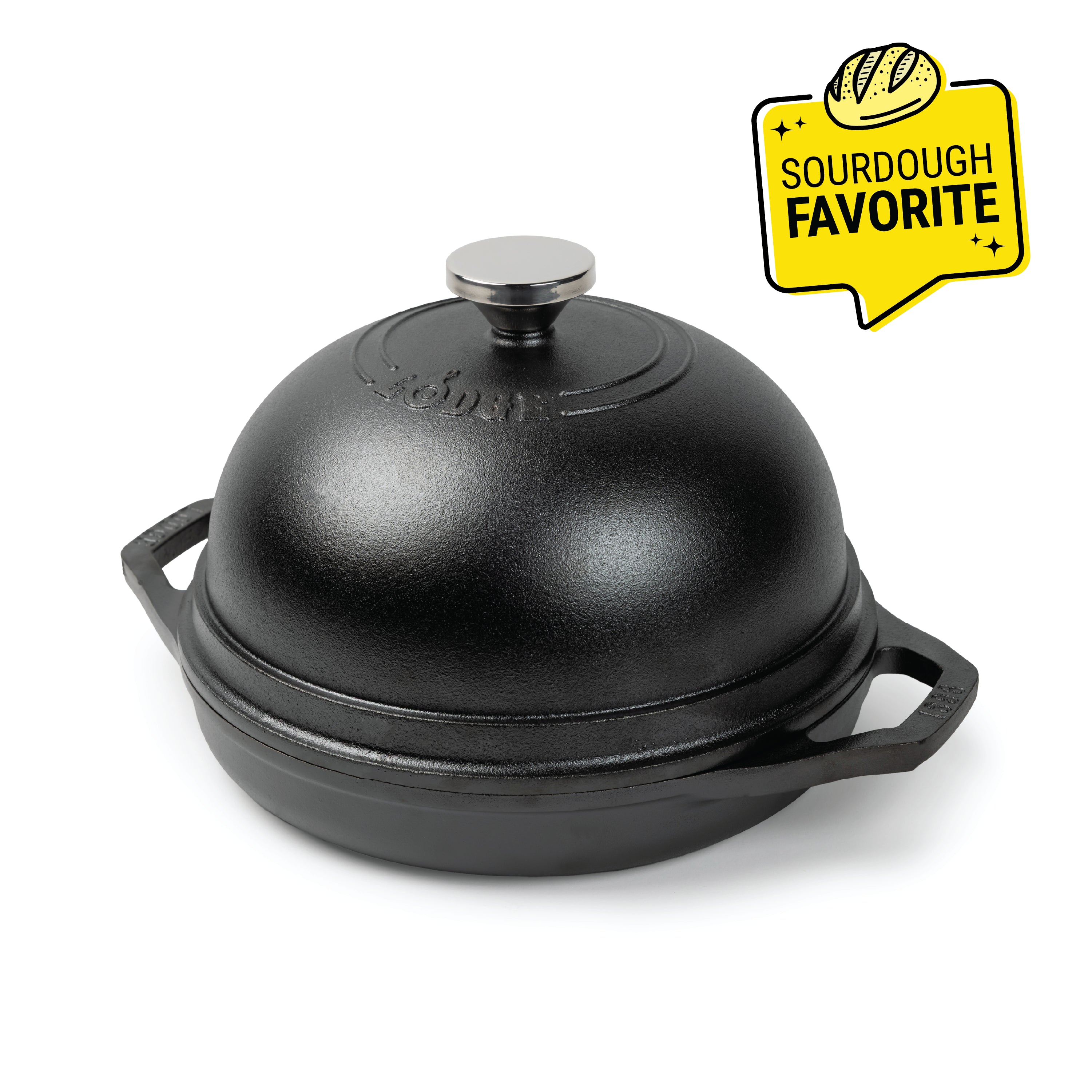
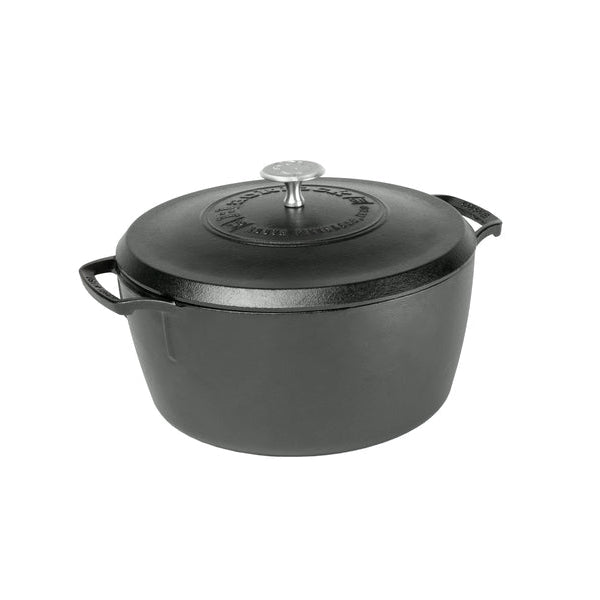
Chef Collection™ Seasoned Cast Iron Bread Oven
Sale price$99.90Regular price
$119.95
Save 14%
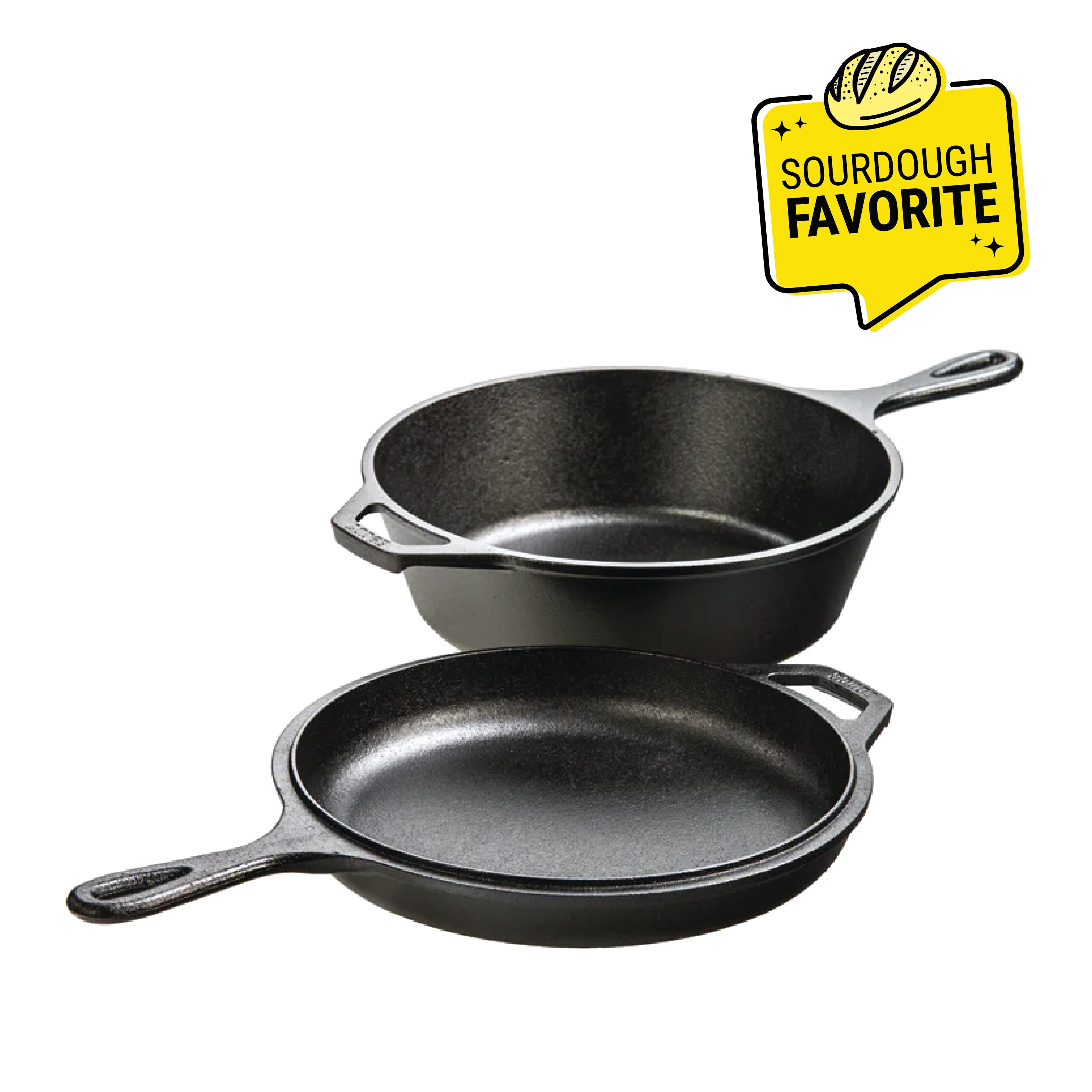
3.2 Quart Seasoned Cast Iron Combo Cooker
Sale price$59.90Regular price
$69.95
Save 14%
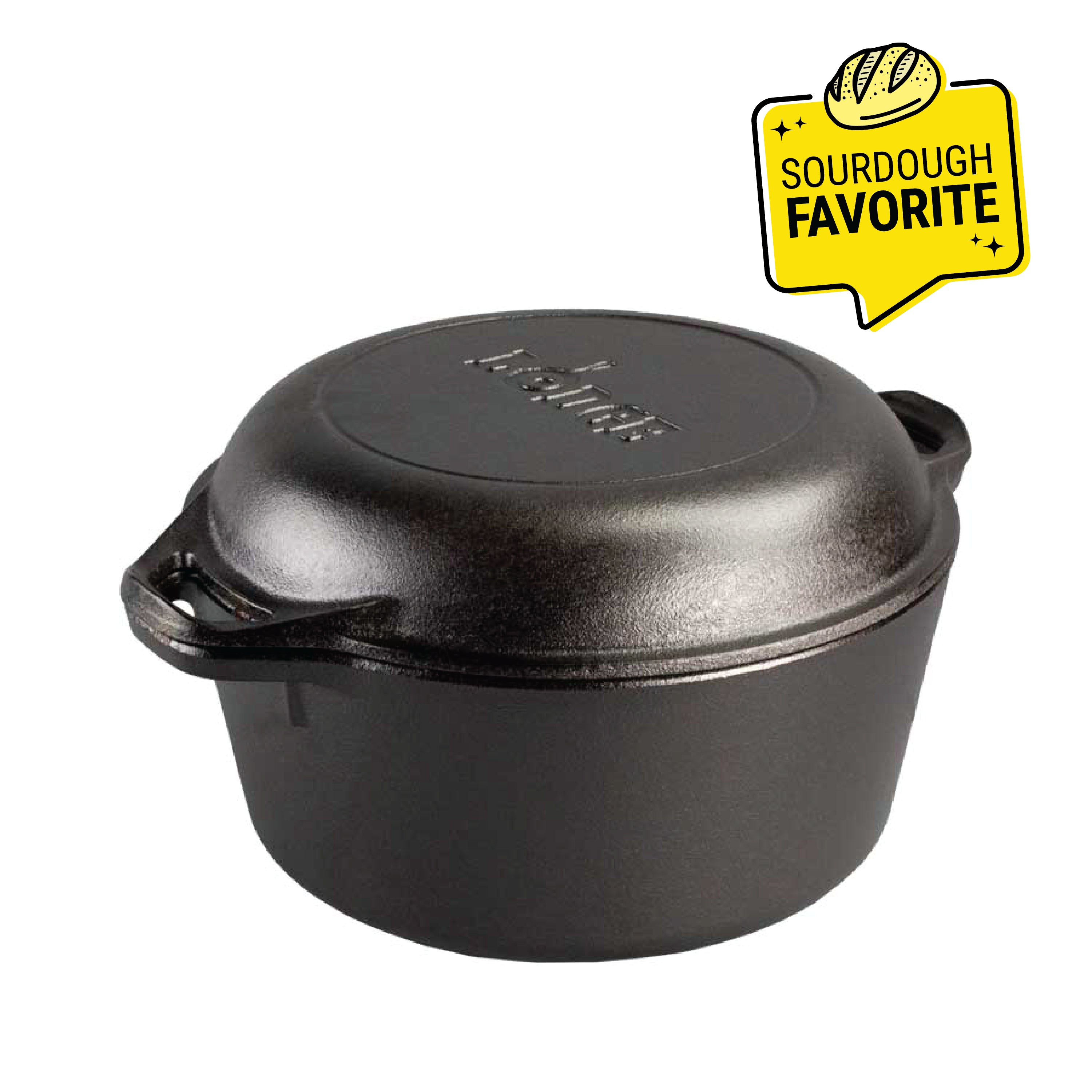
5 Quart Cast Iron Double Dutch Oven
Sale price$59.90Regular price
$69.95
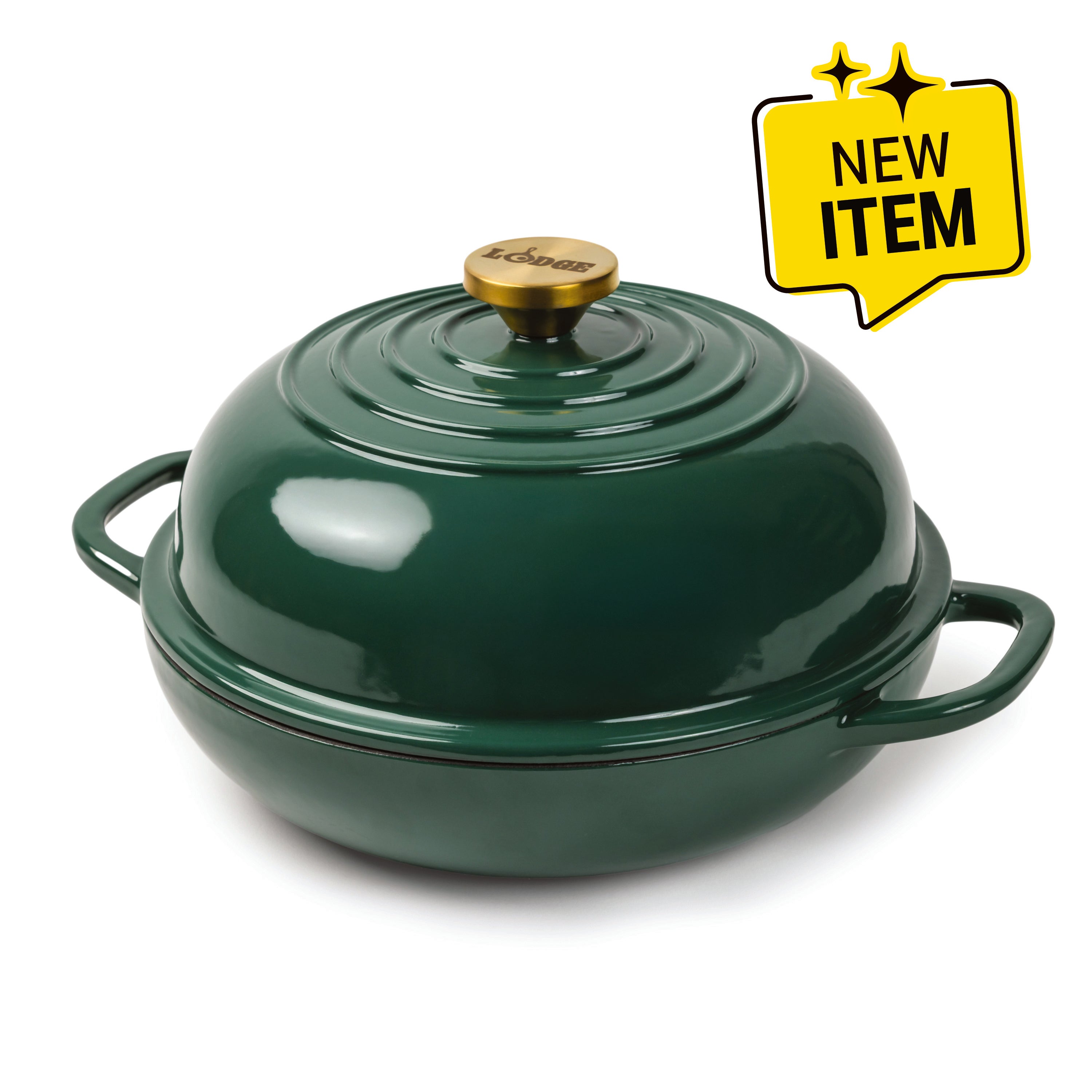
10.35 Inch Enameled Cast Iron Bread Oven
Sale price$79.90Regular price
$99.95
$24.95